
Find the moisture before it finds you
A focused look for visible mold, moisture and the conditions that let mold grow.
What you can expect
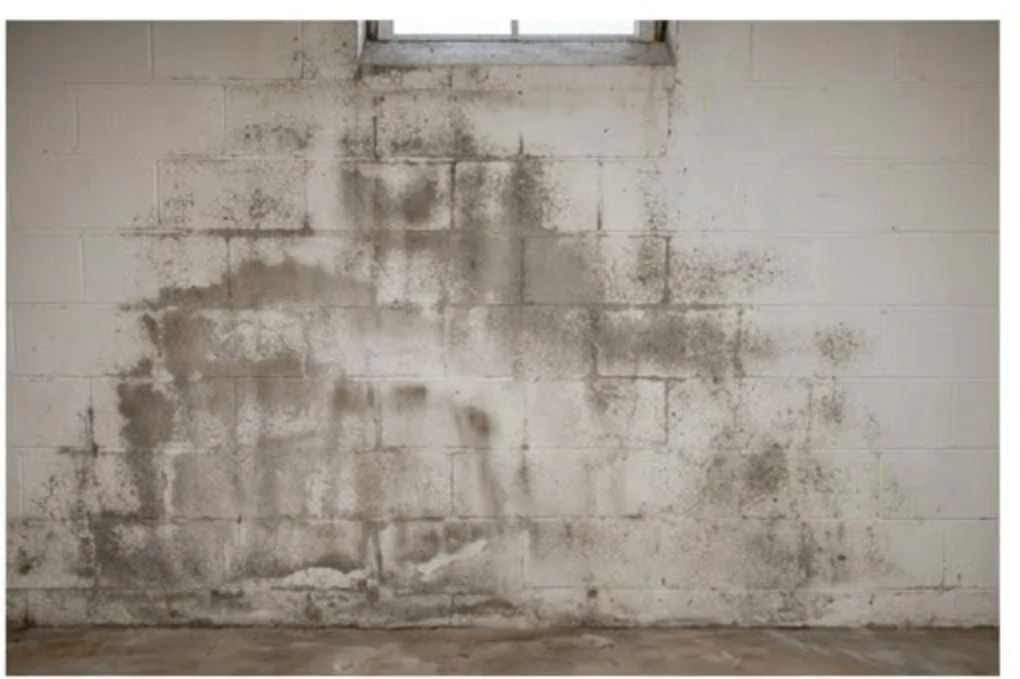
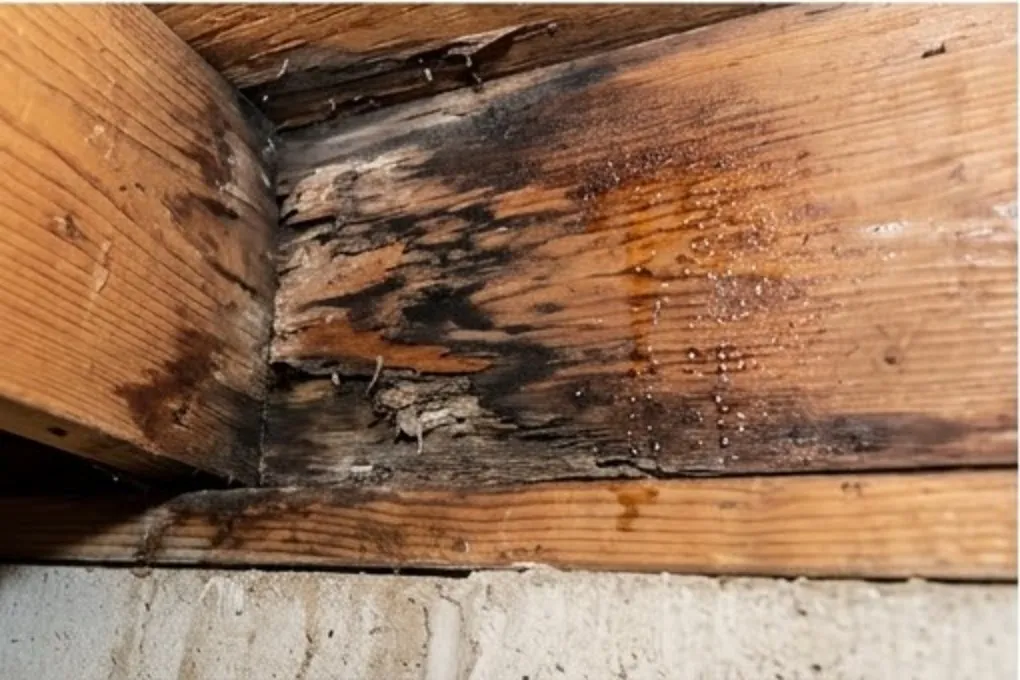
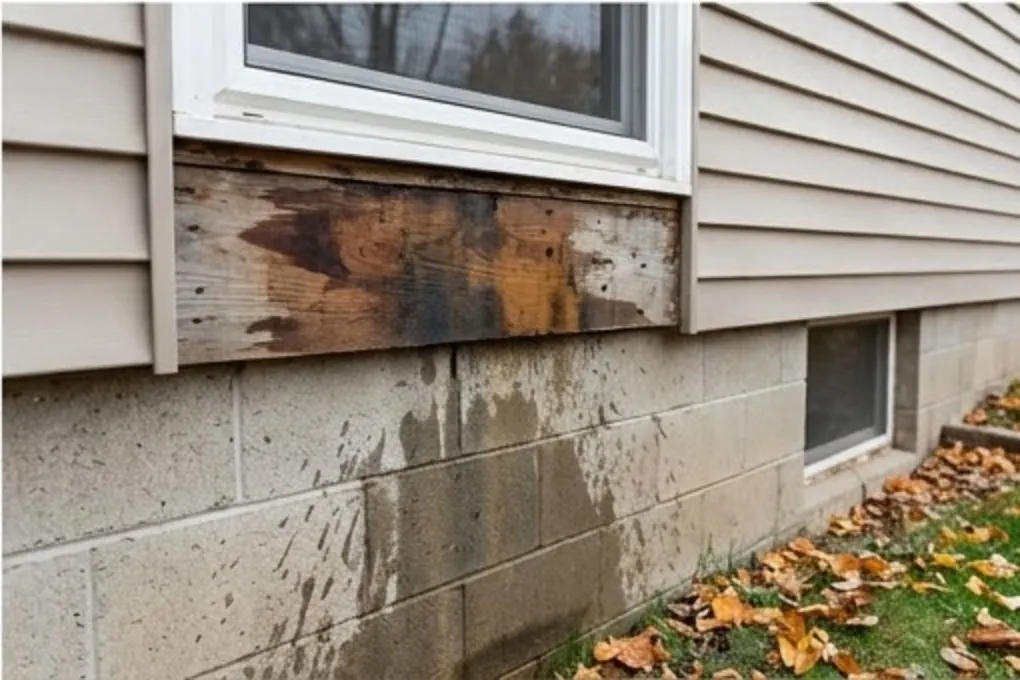
Mold needs moisture to grow. Basements, attics, bathrooms and anywhere water has leaked are the usual places it starts. A mold inspection looks for visible growth and, just as important, for the moisture problem behind it.
Northeast Ohio's humid summers, wet springs and below-grade basements make moisture a common concern. Dan checks the areas where mold is most likely and explains what he sees, so you know whether you are dealing with a small cleanup or a bigger moisture issue.
Nothing left unchecked
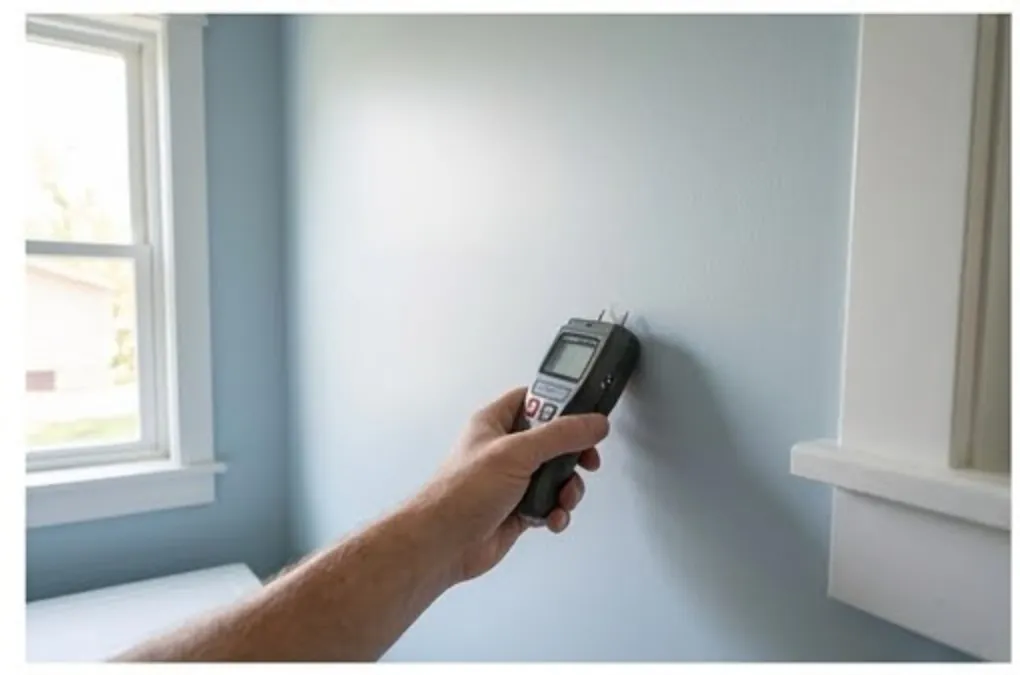
- Basements and crawlspaces
- Attic sheathing and ventilation
- Bathrooms, kitchens and laundry areas
- Around windows, doors and plumbing
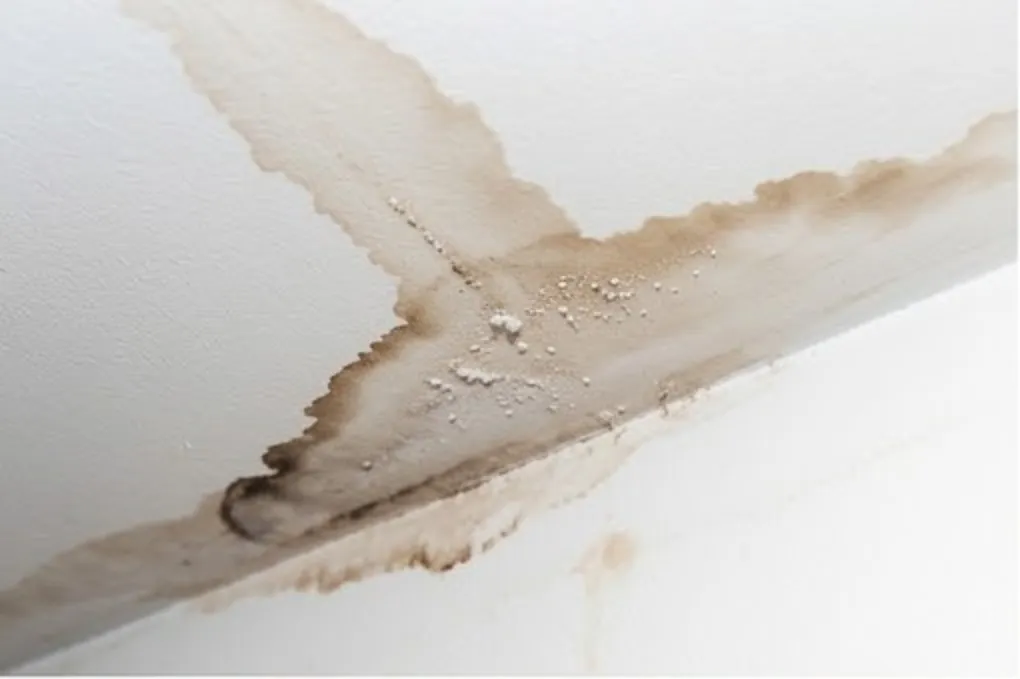
- Signs of past or active leaks
- Musty odors and staining
- Exterior drainage that sends water toward the house
- Heating and cooling equipment and ductwork (visible portions)
The right moment
Musty smell
A persistent musty odor often means hidden moisture. It is worth finding the source before it spreads.
After a leak
Roof leaks, plumbing leaks and basement water can all leave damp materials behind walls and under floors.
Buying a home
Add a mold inspection to your home inspection if the home has a history of water problems, a finished basement or obvious staining.
Inside a mold inspection
Common questions
Is all mold dangerous?
Mold is everywhere in small amounts. The concern is active growth where there is ongoing moisture. Finding and fixing the moisture source is the most important step.
Do you take samples?
Ask Dan when you book. He can explain whether sampling makes sense for your situation.
Will a mold inspection tell me how to fix it?
The inspection identifies the problem areas and likely moisture sources. Repair and cleanup are done by a qualified contractor.
Book them together
Get your free quote
Home, mold and radon inspections in Summit, Portage and Stark counties.