An invisible gas deserves a real test
A short-term radon test that tells you the level in the home and whether action is recommended.
What you can expect
Radon is a natural radioactive gas that comes up from the soil. You cannot see it, smell it or taste it. The U.S. EPA names radon as the leading cause of lung cancer among non-smokers, and the only way to know a home's level is to test.
A radon test measures the level in the lowest livable area of the home over at least 48 hours. The EPA recommends fixing a home when the result is 4 pCi/L or higher. Dan places the test, picks it up, and gives you the result with a plain explanation of what it means.
Nothing left unchecked
- Closed-house conditions for 12 hours before and during the test
- Test placed in the lowest livable level of the home
- Runs for at least 48 hours
- Picked up at the end of the test period
- Results explained against the EPA 4 pCi/L action level
- Can be scheduled with your home inspection
The right moment
Buying a home
A radon test during your inspection window gives you a number to work with before closing, while repairs can still be negotiated.
Never tested
If your home has never been tested, the EPA recommends testing. It is simple and the result answers the question.
After mitigation
If a radon system was installed, a follow-up test confirms it is working.
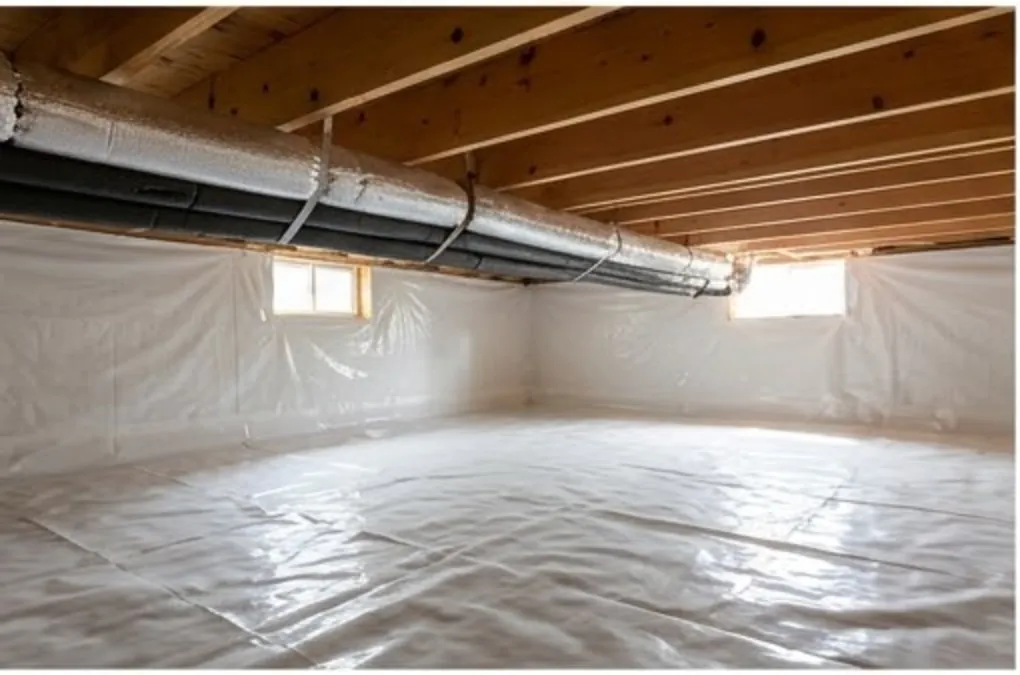
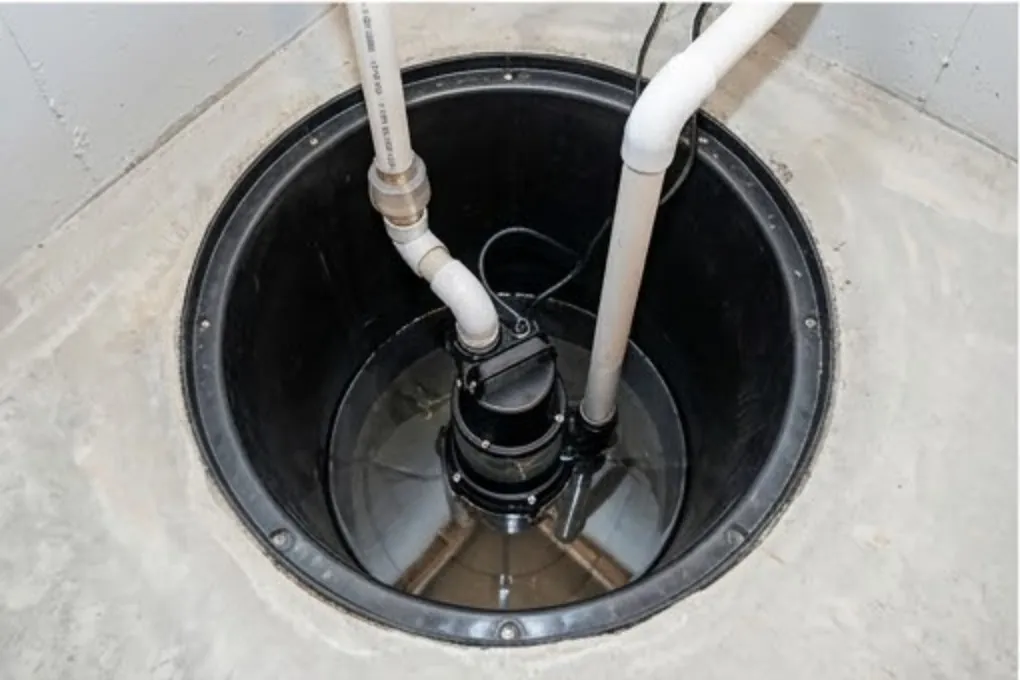
Inside a radon testing
Common questions
What does closed-house mean?
Keep windows and outside doors closed, except for normal coming and going, for 12 hours before and during the test. Normal heating and cooling can run.
What if the level is high?
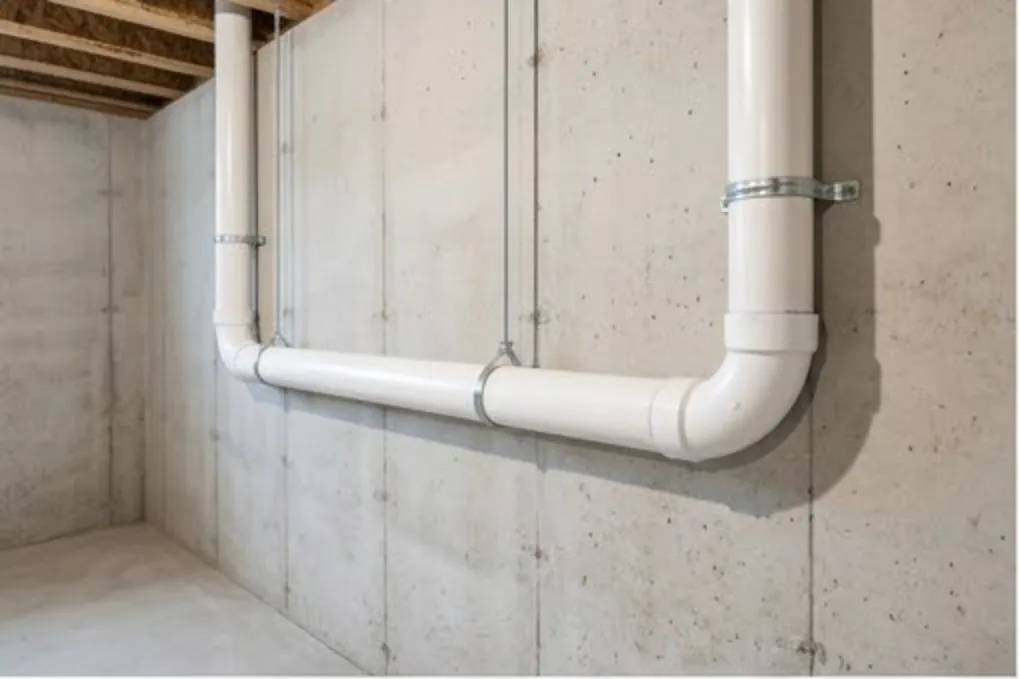
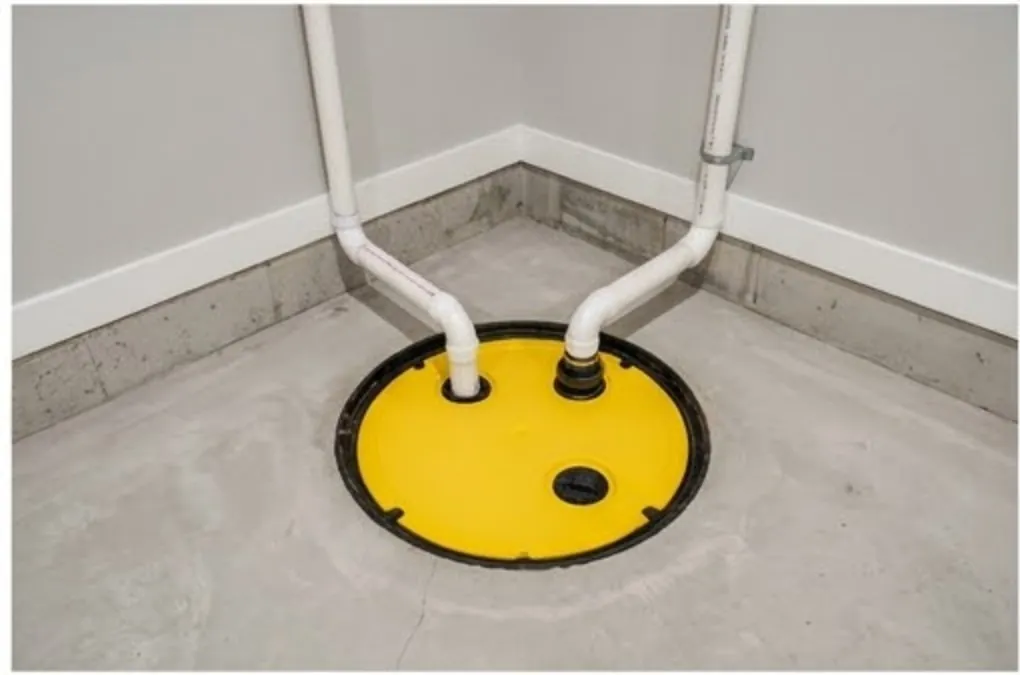
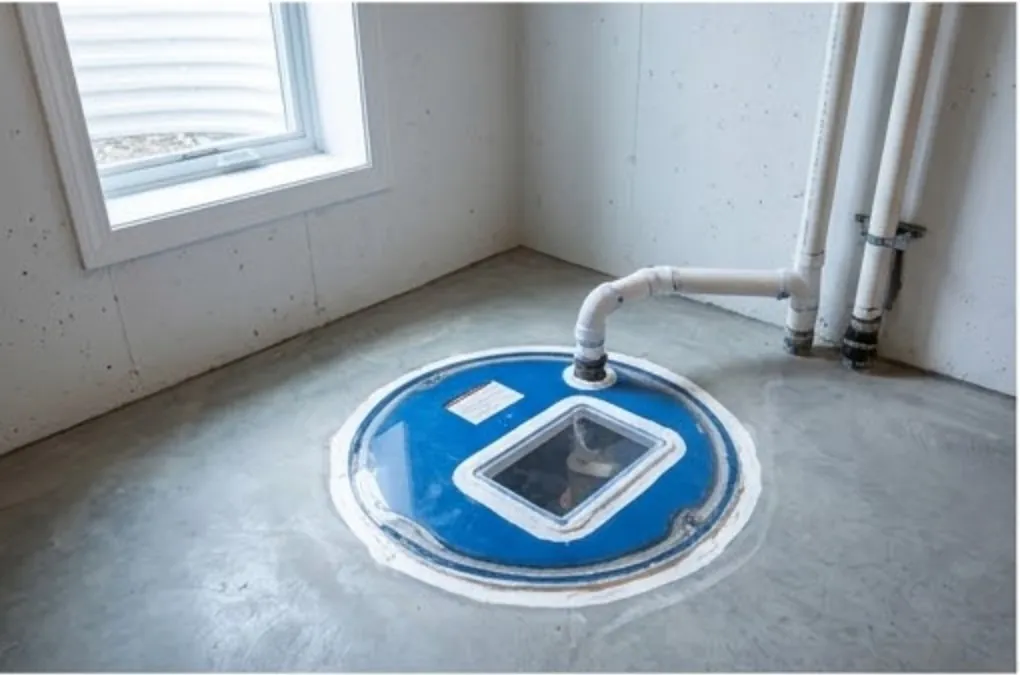
A high level can be fixed. A radon mitigation system, usually a vent pipe and fan, draws the gas from under the home and vents it outside.
My neighbor's house tested low. Do I need to test?
Yes. Radon levels can be very different from one house to the next, even on the same street.
Book them together
Get your free quote
Home, mold and radon inspections in Summit, Portage and Stark counties.